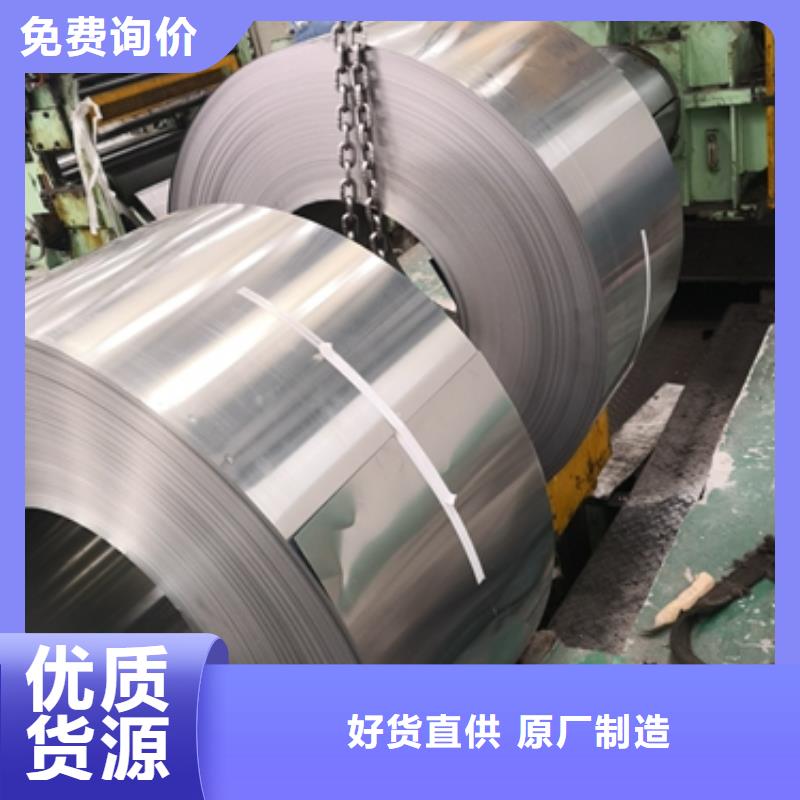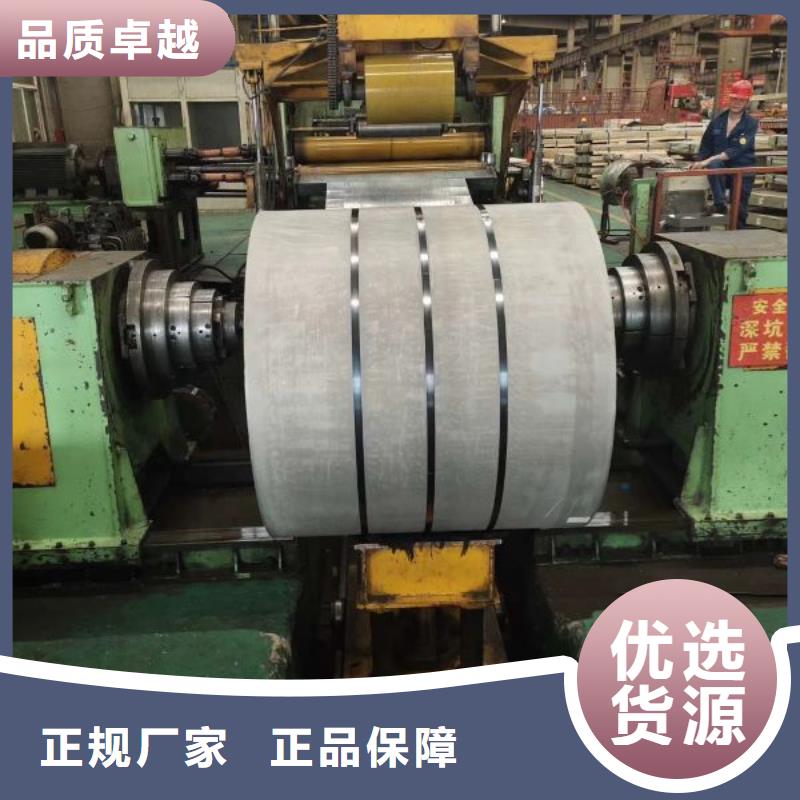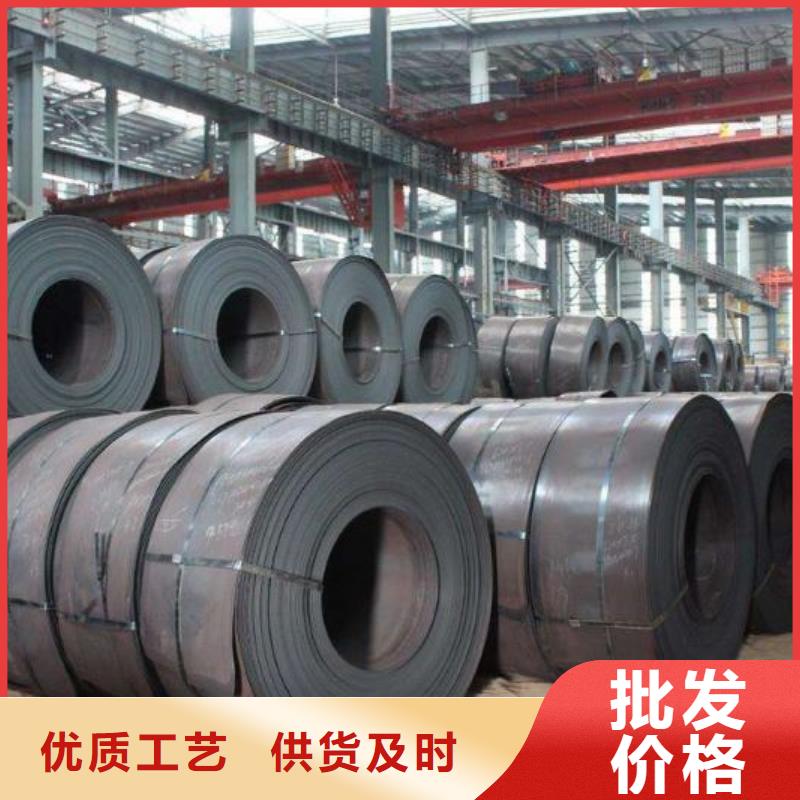

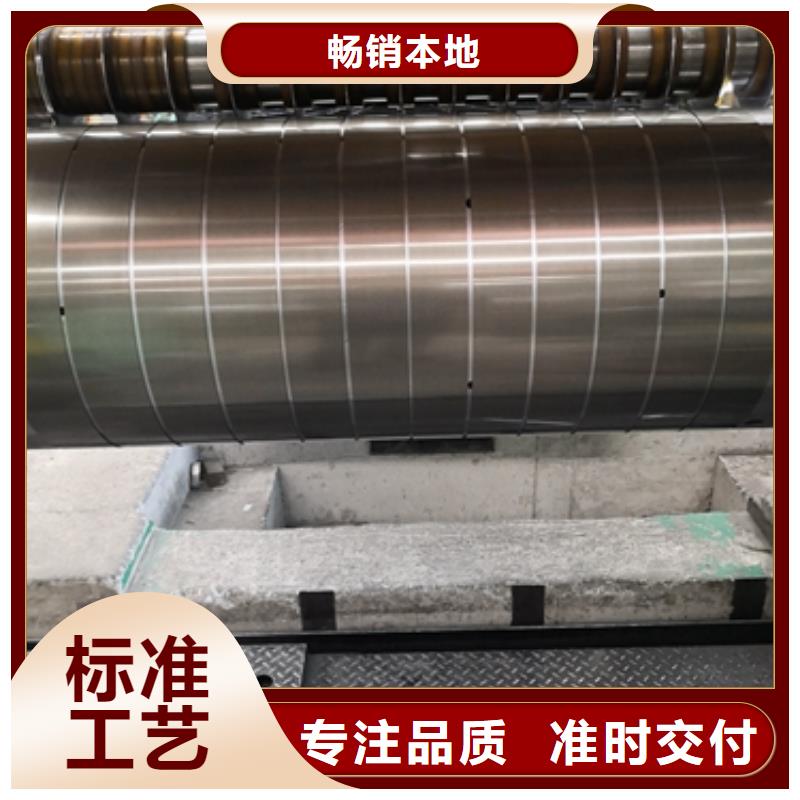

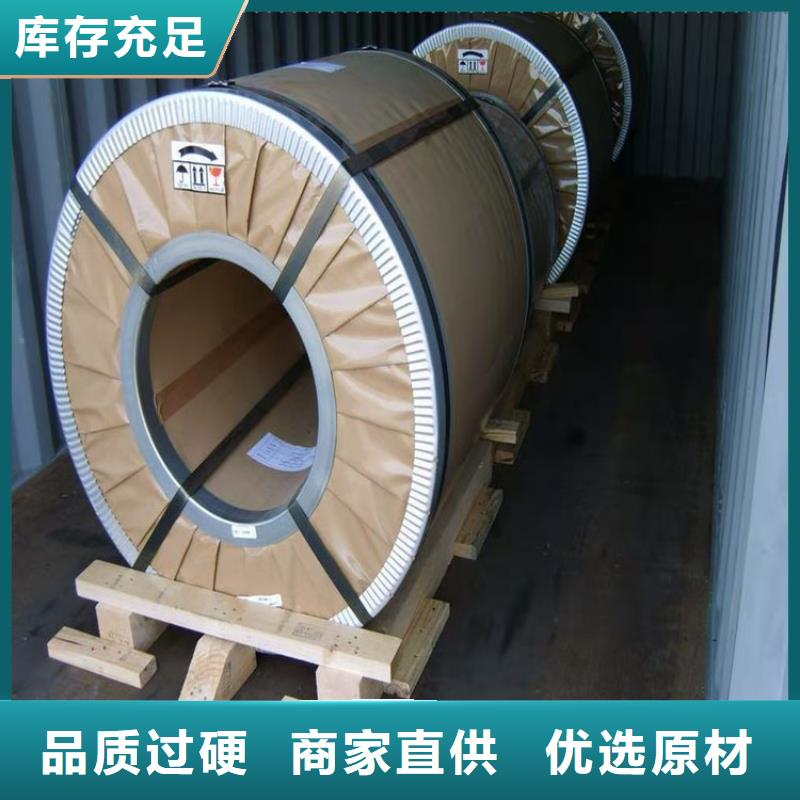
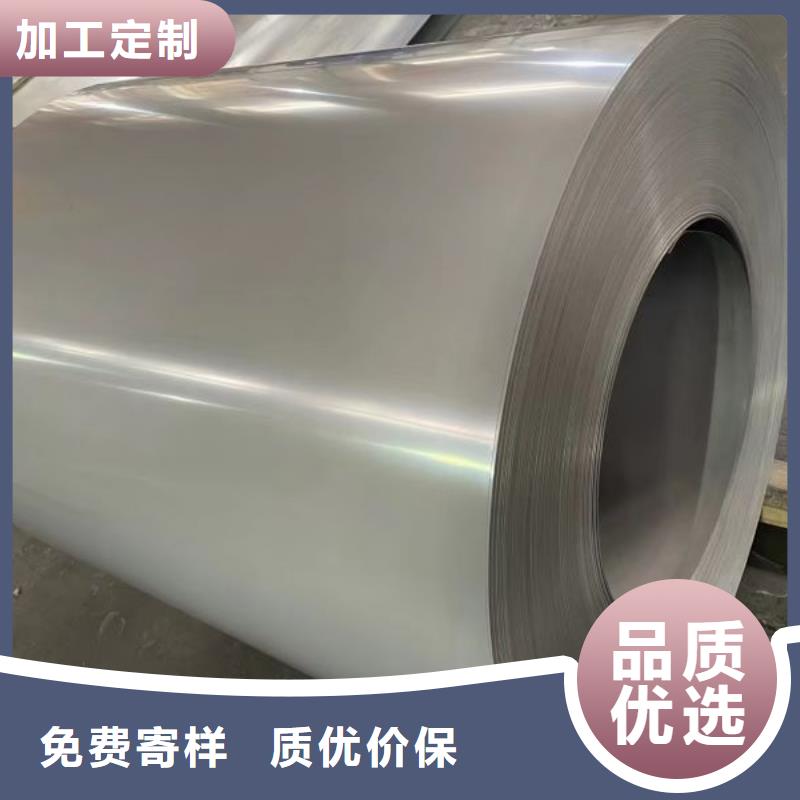

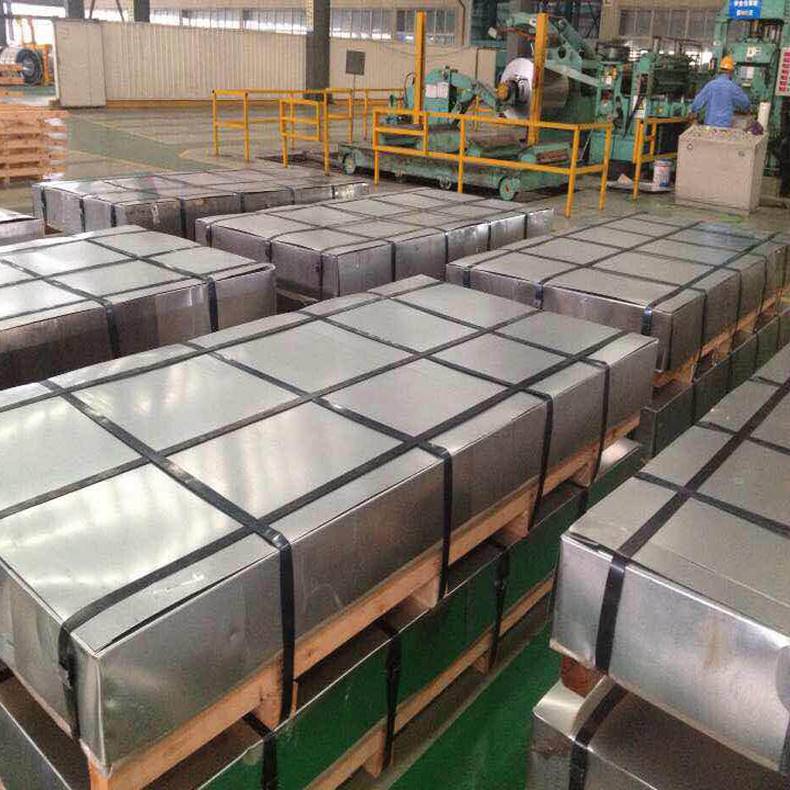
想要更直观地感受日本进口硅钢GT080 ST1500.1*620*C产品的魅力吗?那就赶紧点击视频,开启你的采购之旅吧!
以下是:贵州日本进口硅钢GT080 ST1500.1*620*C的图文介绍
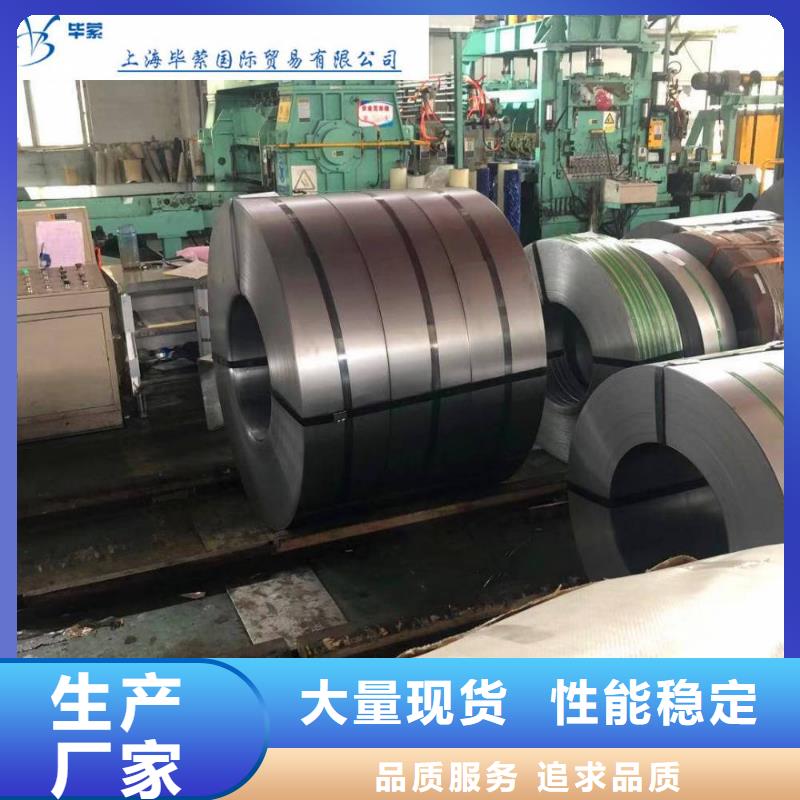

电工钢硅钢片Electrical steel, also known as silicon steel sheet, is an indispensable metal material in the power, electronics, and military industries, and is also the largest functional material in production. It is mainly used as the iron core for various motors, generators, and transformers. Since it is a functional material, its performance testing also revolves around "function". These indicators are often mentioned in trade and processing processes, and a brief understanding can help everyone better carry out their work. The performance testing of electrical steel mainly includes the following aspects: magnetic inspection, stacking coefficient inspection, coating adhesion inspection, repeated bending inspection, size and shape surface inspection, and conventional mechanical property inspection. In addition to the types of products listed above, there are also some special purpose electrical steel plates, such as 0.15 and 0.20mm thick 3% Si cold-rolled non oriented silicon steel strips and 0.025, 0.05, and 0.1mm thick 3% Si cold-rolled oriented silicon steel strips, which are used as intermediate and intermediate grade High frequency motors and transformers, as well as pulse transformers, etc; 0.7mm thick 3% Si high-strength cold-rolled non oriented silicon steel plate for relays and power switches; High strength cold-rolled electrical steel plate for new high-speed motor rotors; Low carbon electrical steel hot-rolled thick and cold-rolled plates for magnetic shielding and high-energy accelerator electromagnets such as medical magnetic resonance tomography scanners; 4.5% to 6.5% Si high silicon steel plates for high-frequency motors, transformers, and magnetic shielding.
Generally, motors, transformers, and other electrical components are required to have high efficiency, low power consumption, small size, and light weight. Electrical steel plates are usually guaranteed to have magnetic properties based on core loss and magnetic induction strength. Magnetic induction strength is the number of magnetic lines passing through a unit cross-sectional area of the iron core, also known as magnetic flux density. It represents the material‘s magnetization ability, measured in T. The magnetic induction strength of electrical steel plates is high, and the excitation current (also known as no-load current) of the iron core is reduced. Copper and iron losses are also reduced, which can save electrical energy. When the power of the motor and transformer remains constant, the magnetic induction intensity is high, and the design Bm can be increased. The cross-sectional area of the iron core can be reduced, which reduces the volume and weight of the iron core, and saves the amount of electrical steel plates, wires, insulation materials, and structural materials used. This can reduce the total loss and manufacturing cost of the motor and transformer, and is beneficial for the manufacturing, installation, and transportation of large transformers and motors. The main requirements for the performance of silicon steel are:
1. Low iron loss is the most important indicator of the quality of silicon steel sheets. Various countries classify grades based on iron loss values, with the lower the iron loss, the higher the grade.
2. Under strong magnetic fields, the magnetic induction intensity (magnetic induction) is high, which reduces the volume and weight of the iron core of the motor and transformer, saving silicon steel sheets, copper wires, and insulation materials.
3. The surface is smooth, flat, and the thickness is uniform, which can improve the filling coefficient of the iron core.
4. Good lamination performance is more important for manufacturing micro and small electric motors.
5. The adhesion and weldability of the surface insulation film are good, which can prevent corrosion and improve the punching performan
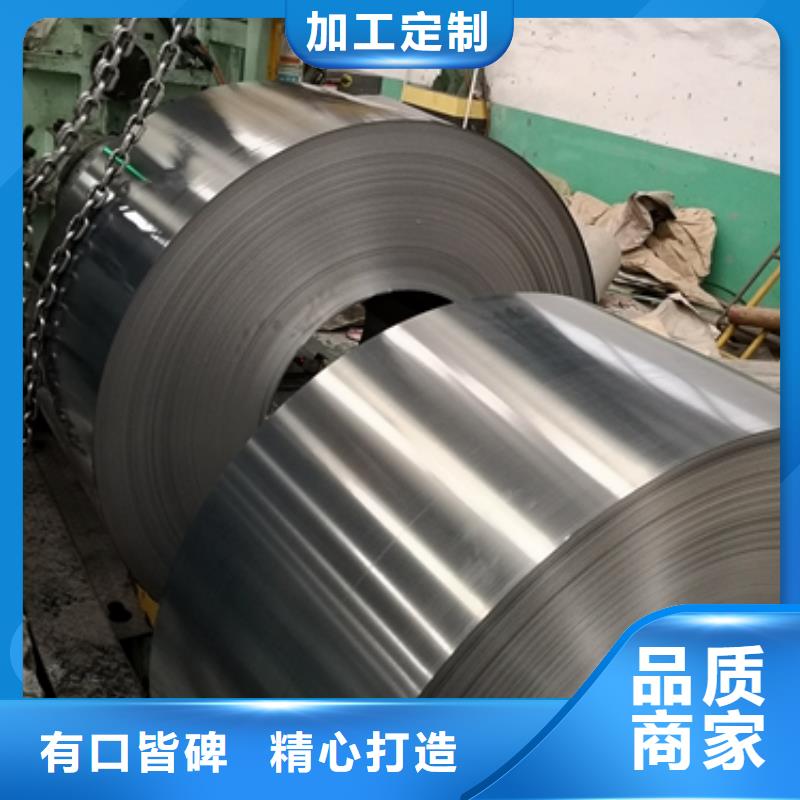
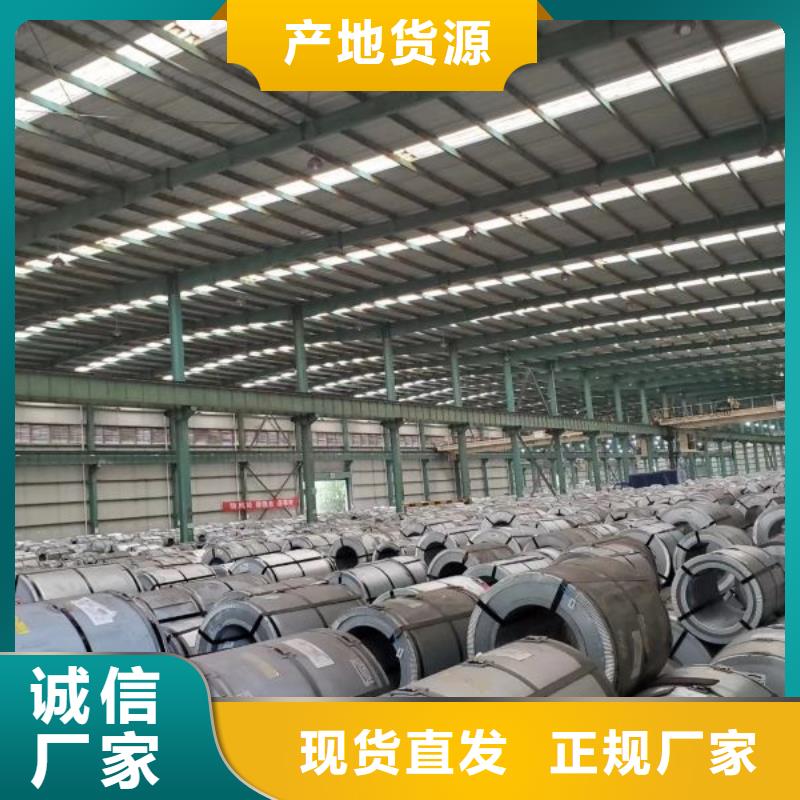
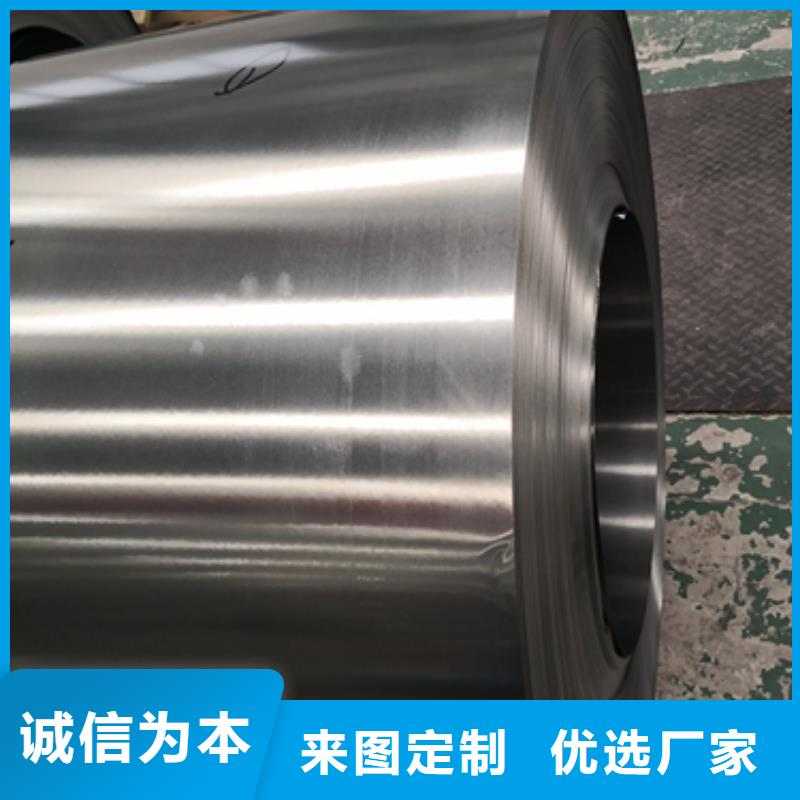
电工钢硅钢片我们的技术优势:1.通过相关试验,可以达到96-98%的叠压系数(基于0.2mm硅钢片);2.采用了通过200度高温具备UL 认证的进口胶水来确保其电气性能3. 理论上可避免任何额外的损耗,采用其他合适的工艺后,可以确保整个铁芯产品的铁损符合材质规格书上的相关参数(有相关测试报告); 4.由于层间使用了胶水固定,所以马达在高转速的时候的噪音跟采用焊接工艺相比有了明显的提高;5.由于相关的胶水在产品表面形成了保护膜,所以其对于产品的防锈油一定的作用;6.按照一般的新能源汽车定子产品200mm外径,150mm高度,我公司具备日生产100套产品的产能,并且根据订单需求能够在1个月内将产能5倍。
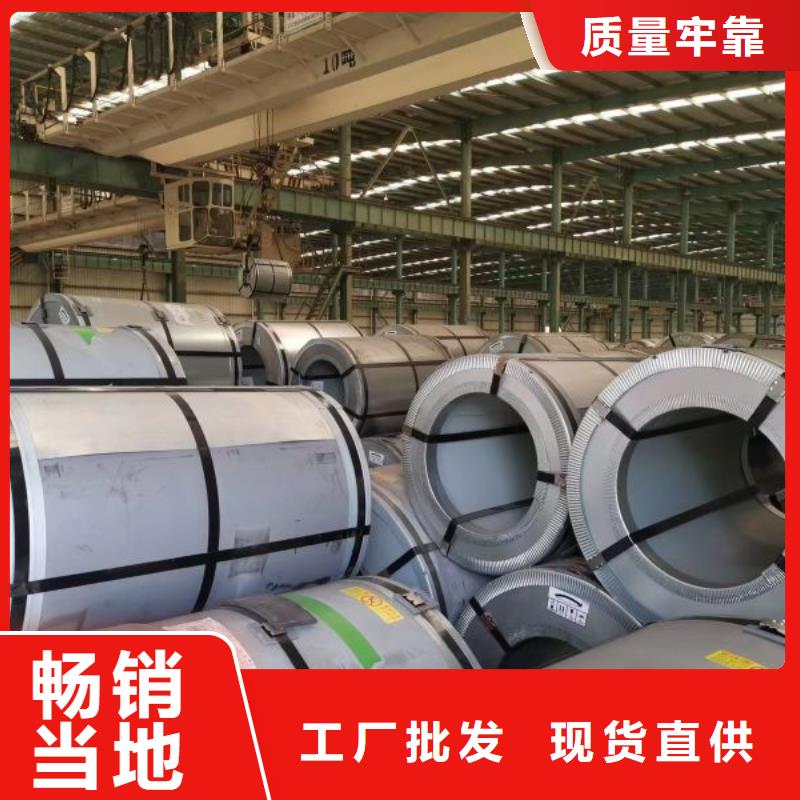
电工钢硅钢片半有机无铬薄涂层K H4 C-5 EC-5-P C-6涂层通常以磷酸盐无机成分为主,添加少量有机成分,不含有铬元素,杜绝了用户退火、贵州本地发蓝和使用过程中发生六价铬含量超标的可能性,性、贵州本地环保性 。性能基本接近A 涂层,绝缘性好,冲片性好,在中性气氛或弱还原性炉子气氛中,可承受的应力退火温度一般可达800℃,在退火时,层间电阻会有一定降低。半有机无铬厚涂层M --- C-5 EC-5-P C-6涂层基本情况和 K 涂层类似,膜厚增加,绝缘性更好,耐蚀性更好,冲片性也更好,焊接性略差。
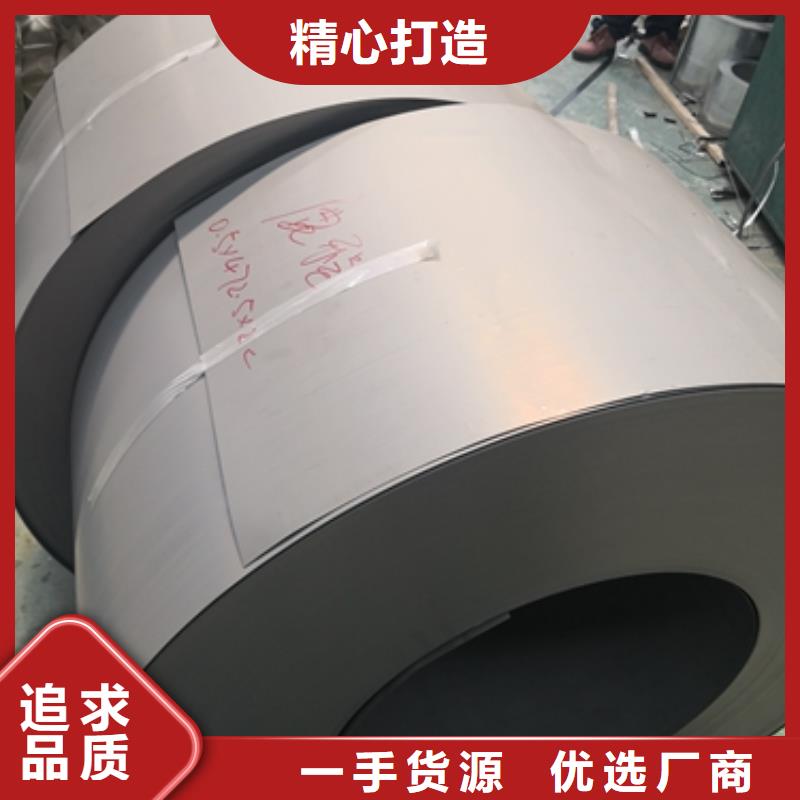
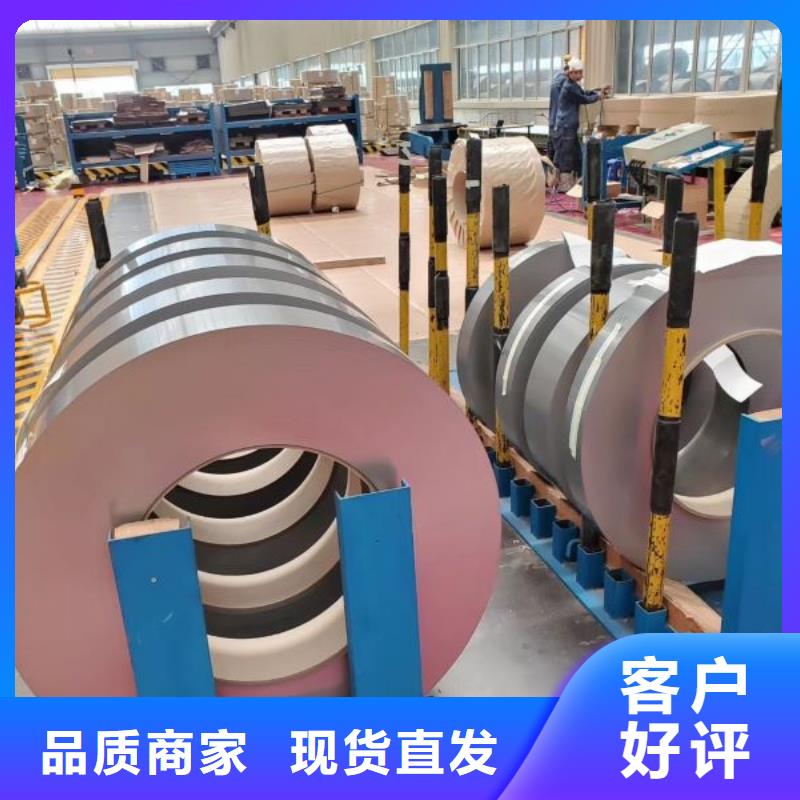
电工钢硅钢片硅钢是一种硅铁合金。用硅钢轧制的片材是电工领域中应用广的软磁材料,因而硅钢片又称电工钢片。硅钢片广泛用于电动机、发电机、变压器、扼流圈、电磁机构、继电器及测量仪表中电机工业大量使用厚度为0.35~0.50mm的硅钢片,用于:中型旋转机,压缩电机,通用马达,小型精密电机,电动汽车,压缩机,通用电机,电源变压器,精密变压器,节能电机,焊机变压器,稳压器,磁性密封器,加速器用电磁铁,汽车电机等;在电信高频技术中常用0.05~0.20mm的薄带钢片,以便更有效地降低涡流损耗。热轧硅钢片厚度为0.35~0.50mm,密度为7.55~7.70g/cm3,多用于大、中、小型交、直流电动机;冷轧无取向硅钢片厚度为0.35~0.50mm,密度为7.65~7.75g/cm3,多用于大型交流发电机、电动机,大、中、小型交、直流电动机;冷轧取向硅钢片厚度为0.23mm 0.27mm 0.3mm 0.35mm,密度为7.65g/cm3,多用于电力变压器、油浸式变压器,干式变压器,电抗器、磁放大器等;冷轧取向薄带厚度为0.05~0.20mm,多用于无线电高频变压器。

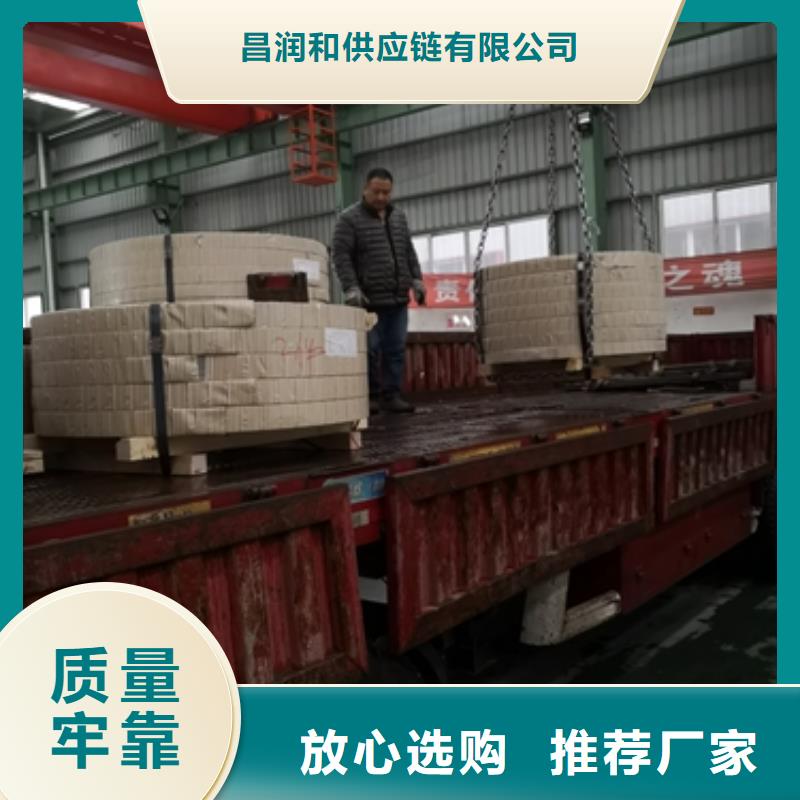
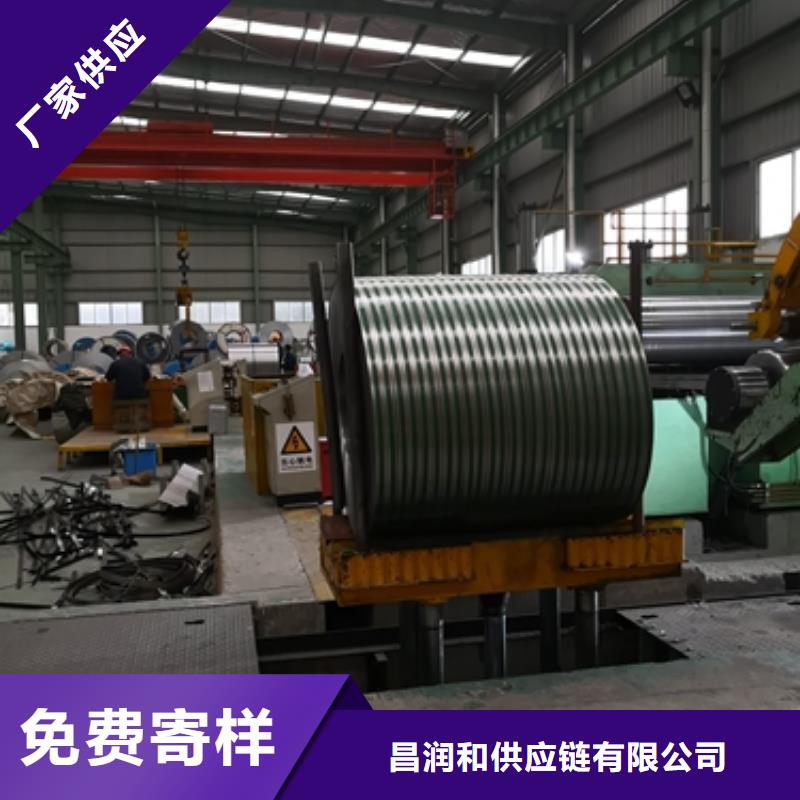
建厂以来,鹿程国际贸易(贵州省分公司)十分重视人才培养与科技进步,先后与六家大专院校和科研机构建立了长期技术合作关系,旨在不断提高 汽车钢产品科技含量,增强企业发展后劲。我们十分重视 汽车钢产品的升级换代和新产品开发。面对激烈的市场竞争,企业始终坚持“质量保证、用户至上”的宗旨,确保以高质量的 汽车钢产品、周到的服务、及时的交货、合理的价格赢得用户的信赖。

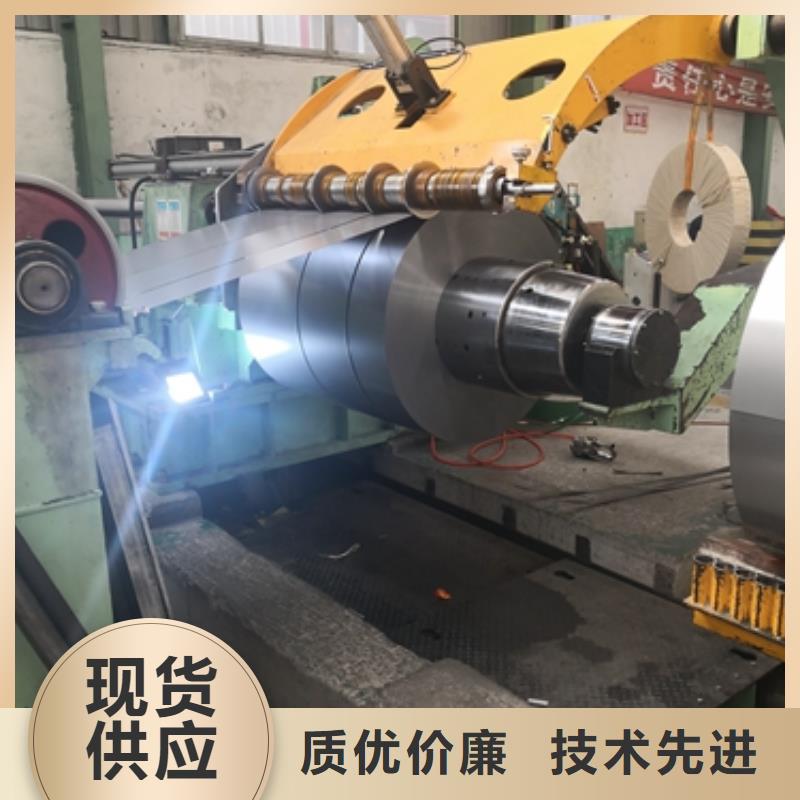
电工钢硅钢片:取样应从每一个验收组批上切取。8.2.2 产品的内圈和外圈应视为包装材,不代表整个钢卷的质量,试样不应从这部分截取。试样应避开焊缝和接带区域。8.2.3 取样位置距产品头尾两端不小于 3m,距产品边部不小于 15mm 处截取。对大单片磁性能、贵州同城绝缘涂层附着性等有特殊取样要求的检测项目,则按照附录 A 的规定取样。8.2.4 通过合理地安排测试顺序,同一副试样可以用于测试多种特性。8.3 表面外观检查产品的表面外观质量用肉眼检查。8.4 尺寸和外形的测量8.4.1 尺寸和外形应采用合适的测量工具测量。测量位置距产品头尾两端不小于 3m。8.4.2 厚度的测量切边钢带的厚度应在距边部不小于 15mm 的任意位置处测量。测量所采用的千分尺精度应为0.001mm。8.4.3 不平度(波浪度)的测量